
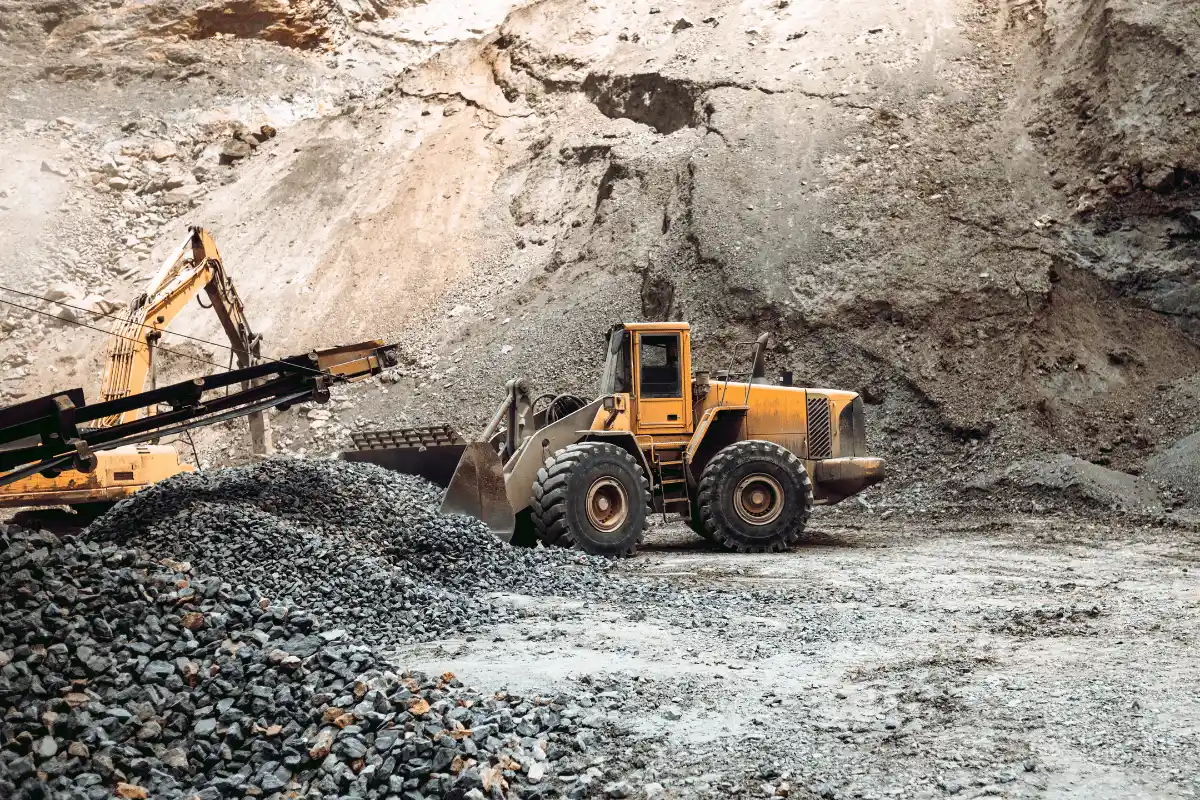
Choosing the right crusher is one of the most important decisions in any quarrying operation. A mobile crusher is often the choice most managers go for. The crusher has a direct effect on production capacity, product quality, operating costs, maintenance requirements, and overall plant efficiency. With different crusher types available for different applications, selecting equipment based only on price or capacity can lead to inefficient production and unnecessary operating problems.
A suitable crusher should match the material being processed, the required output, the desired product size, and the conditions of the quarry. Understanding these factors before investing in equipment can help operators build a more reliable and productive crushing operation.
Understand Your Quarry Material
The first step in selecting a crusher is understanding the material that needs to be processed. Different types of rock have different levels of hardness, abrasiveness, moisture, and natural shape. These characteristics influence how easily the material can be reduced and how quickly crusher components may wear.
Hard and abrasive materials require equipment designed to handle demanding conditions. Softer materials may be processed using different crushing methods and equipment configurations. Before selecting a machine, consider the type of rock, maximum feed size, moisture content, abrasiveness, and expected material characteristics.
Understanding the material helps narrow down the crusher types that are suitable for the application.

Consider the Required Feed Size
Feed size is another important consideration. Quarry operations often begin with large pieces of extracted rock that must be reduced before the material can move through subsequent stages.
Primary crushers are generally designed to handle larger feed material and provide the initial reduction. Jaw crushers are commonly used for primary crushing because of their ability to process large rocks and provide a reliable first stage of size reduction.
If the feed material is already relatively small, a different crushing solution may be more appropriate. The crusher should always be selected according to the size and characteristics of the material entering the machine.
Determine Your Required Output
Production requirements should be clearly established before choosing a crusher. Consider how many tonnes per hour the plant needs to produce and whether the demand is expected to increase in the future.
Selecting equipment with insufficient capacity can create a bottleneck and prevent the rest of the plant from operating efficiently. On the other hand, choosing equipment that is significantly larger than necessary may increase capital and operating costs without providing meaningful benefits.
The goal is to select a crusher that can consistently meet production requirements while allowing sufficient capacity for normal variations in feed conditions and operating demands.
Choose the Appropriate Crusher Type
Different crusher types perform different functions within a quarrying operation.
Jaw crushers are commonly used for primary crushing. They are designed to reduce large rocks into smaller pieces before the material moves to the next stage.
Cone crushers are often used for secondary or tertiary crushing. They can provide controlled size reduction and are commonly used when consistent aggregate sizes are required.
Impact crushers use impact force to break material and can be suitable for applications where particle shape and material reduction are important considerations.
VSI crushers, or vertical shaft impact crushers, can be used for shaping and producing finer material in applications where the final product requires particular characteristics.
The right combination depends on the quarry material, production requirements, desired product, and overall plant configuration.
Think About the Final Product
The final product specification should influence crusher selection from the beginning. Different customers and applications may require specific aggregate sizes, shapes, or gradations.
For example, aggregate used in construction may have different requirements from material used for road construction, concrete production, or other applications. The crushing circuit should therefore be designed around the final product rather than focusing only on the initial reduction stage.
Crusher settings, screening equipment, and the number of crushing stages can all influence the final material. A well-designed circuit helps maintain consistent product quality while meeting production targets.
Consider the Complete Crushing Circuit
A crusher does not operate independently. It forms part of a larger system that can include feeders, conveyors, screens, stockpiles, and other crushers.
When selecting equipment, consider how the crusher will interact with the rest of the plant. A high-capacity crusher cannot achieve its potential if the feeding system cannot provide enough material. Similarly, inefficient screening can cause unnecessary recirculation and place additional demands on the crushing equipment.
Looking at the complete process flow can help identify the most suitable equipment configuration and prevent bottlenecks.
Evaluate Maintenance and Wear Requirements
Maintenance should be considered before purchasing or hiring a crusher. Quarry equipment operates under demanding conditions, and wear is a normal part of crushing operations.
Components such as jaw plates, cone liners, blow bars, and other wear parts gradually deteriorate during use. Their service life depends on factors including material characteristics, operating conditions, machine settings, and maintenance practices.
Choose equipment that can be inspected, maintained, and serviced efficiently. Easy access to key components can reduce maintenance downtime and make routine inspections more practical.
Consider New and Used Equipment
Depending on the project, both new and used machinery can be suitable options. New equipment may provide the latest technology and manufacturer support, while used machinery can offer a practical solution when budget, availability, or project duration are important considerations.
When purchasing used equipment, operators should examine its condition, operating history, maintenance records, wear components, and suitability for the intended application. A machine should not be selected simply because it is available or inexpensive. Its condition and compatibility with the existing plant are equally important.
Work With Practical Industry Experience
Choosing the right crusher involves more than comparing technical specifications. Real-world experience can help operators understand how equipment is likely to perform under specific quarry conditions.
QuarryingCrusher has more than 40 years of experience across quarrying, mining, construction machinery, crushing technology, plant hire, wear parts, and plant optimisation. This practical background provides valuable insight into equipment selection and quarry process requirements.
Whether you are buying, selling, or hiring machinery, understanding the relationship between the crusher, material, production target, and complete plant is essential.

Make the Right Crusher Decision
The best crusher for a quarry is not necessarily the largest, newest, or most powerful machine. It is the equipment that matches the operation’s material, feed size, production requirements, final product specifications, maintenance capabilities, and overall plant configuration.
By evaluating these factors carefully, quarry operators can make better equipment decisions, improve plant efficiency, reduce avoidable downtime, and maintain more consistent production.
With the right planning and practical knowledge, crusher selection becomes more than an equipment purchase. It becomes an important step toward building a reliable, efficient, and productive quarrying operation.