
- Key Takeaways
- What Are Jaw Crusher Machines?
- Choosing Your Crusher Model
- Material and Application Suitability
- Optimizing Crusher Performance
- Essential Maintenance Protocols
- The Economic Impact
- Conclusion
- Frequently Asked Questions
- What is a jaw crusher machine and how does it work?
- How do I choose the right jaw crusher model for my operation?
- Which materials can be processed by jaw crushers?
- How can I improve the performance and output of my jaw crusher?
- What are the most important maintenance tasks for jaw crushers?
- How do jaw crushers affect overall operating costs?
- When should I replace jaw plates and other wear parts?
Key Takeaways
- Jaw crusher machines are primary crushers that utilize a fixed and a movable jaw to exert compressive force and reduce large rocks and ores, making them invaluable in mining, aggregates production, and recycling operations across the globe. They are capable of processing materials ranging from soft limestone to hard, abrasive rock and demolition debris.
- Core components including the crushing chamber, eccentric shaft, flywheel, toggle plate, and setting adjustment combine to govern reduction ratio, throughput, and final product size. Knowing how chamber design, shaft speed, flywheel mass, and jaw gap settings work together allows operators to customize performance rather than experimenting blindly.
- Sourcing Guide for Jaw crusher machine: Selecting a jaw crusher model depends on feed size, material hardness, required capacity, and application. Readers can use this by correlating their own rock properties and output goals to crusher types, then narrowing down models that meet those technical and economic needs.
- Matching crusher design and wear materials to the application is key. Heavy-duty or double-toggle units with manganese steel liners are suitable for abrasive rock. Portable, adjustable units are ideal for recycling concrete and demolition waste. By matching the equipment to their mining, construction, or recycling needs, operators can maximize uptime, minimize premature wear, and enhance product uniformity.
- Crusher optimization – Maximizing performance and minimizing wear requires controlled feed, properly set discharge, and the right jaw speed, ideally supported by feeders, screens, and variable speed drives. Operators should routinely observe operating parameters and record shifts in settings, feed condition, and output so they can detect tendencies, troubleshoot bottlenecks, and keep product quality consistent.
- A robust maintenance and safety program featuring daily inspections, disciplined lubrication, scheduled wear part replacement and stringent safety procedures minimizes unplanned downtime and total cost of ownership. Monitoring energy consumption, wear part lifespans, and production volumes over time allows businesses to make informed decisions about enhancements, operational adjustments, and strategic investment in jaw crusher systems.
===
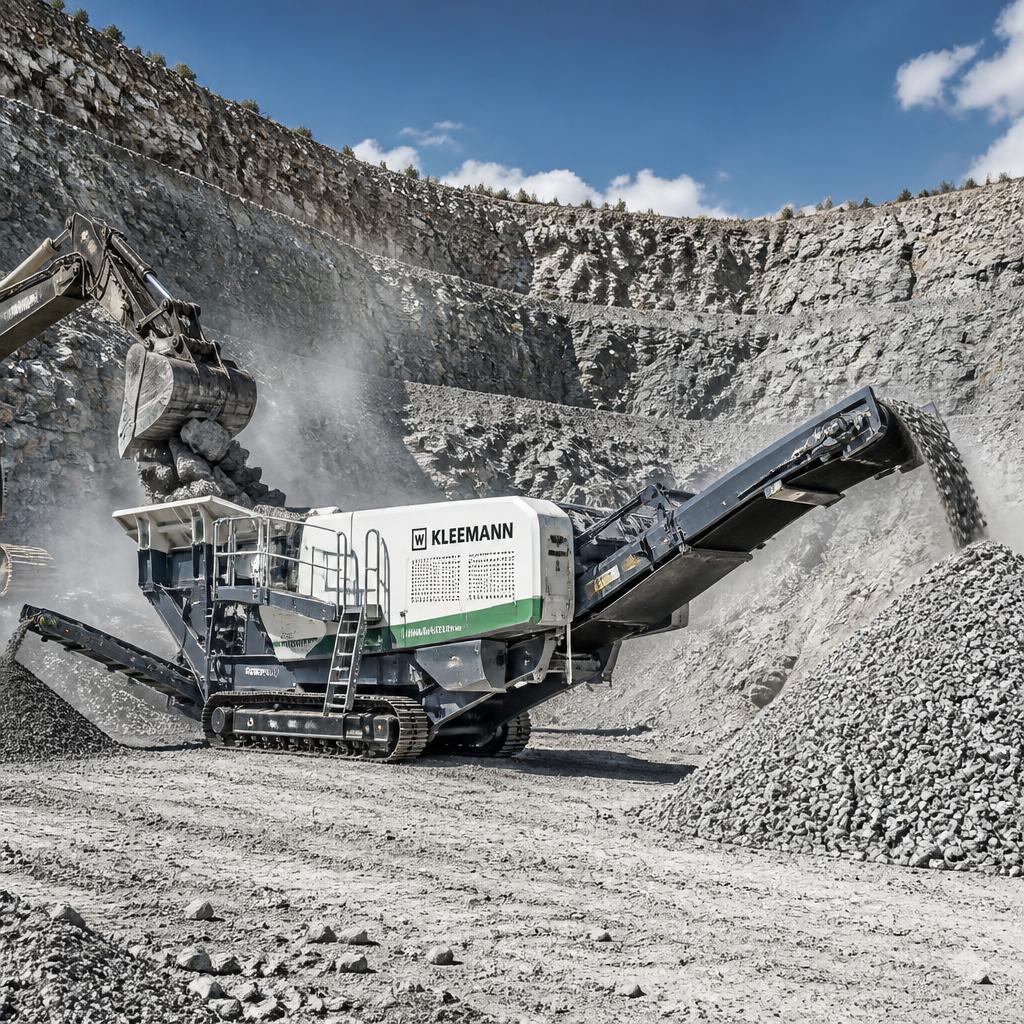
Jaw crusher machines are industrial crushers that reduce large rocks or ore to smaller sizes by compression. They frequently act as the main crusher in mineral processing, quarrying and recycling facilities, where reliable output size and high throughput are paramount.
Many installations employ stationary and portable jaw crushers in tandem to suit various site constraints and material varieties. To provide better context, the following sections step through key components, working steps, and fundamental selection advice.
What Are Jaw Crusher Machines?
Primary crushers, jaw crusher machines use compressive force between two jaws to reduce large rocks and ores to smaller, more uniform sizes. Jaw crushers are positioned at the top of many crushing circuits in mining, construction aggregates plants and demolition recycling lines, processing feed sizes approximately 150 to 300 mm in size and delivering product in the 50 to 80 mm range.
As they can crush anything from soft limestone to hard, abrasive boulders, they provide downstream equipment with a uniform, predictable feed and reduce total energy and maintenance costs.
1. The Crushing Chamber
The crushing chamber is the area that the feed material is caught and crushed between the two crushing plates. These plates are inclined toward each other so their lower borders form a horizontal opening. They make the actual “bite” that breaks the rock.
Both jaws are typically cast steel and are lined with replaceable manganese steel or Ni-hard liners. The latter is a nickel-chromium cast iron that allows the crusher to better resist abrasive ores without rapid wear.
Capacity, reduction ratio, and final particle shape are all driven by chamber design. A deeper chamber with a long stroke will pull material down in a more continuous way, providing higher throughput at the same power. A shorter, tighter chamber might produce a finer product but could choke more readily if the feed is flaky or badly graded.
Jaw crushers have lower capacity than cone or impact crushers of the same gape, which is why you find them in both full-scale plants and laboratory layouts for sample preparation and pilot work.
The nip angle, the angle between the fixed and movable jaw, is crucial. It is generally maintained under approximately 26 degrees because a greater angle causes particles to slip rather than grip, thereby reducing capacity and accelerating liner wear. Chamber shape and nip angle work together. They control how material flows, how long it stays in the chamber, and how energy transfers into real crushing instead of friction and sliding.
|
Chamber design |
Typical nip angle |
Throughput effect |
Product size trend |
|---|---|---|---|
|
Standard deep V |
18–22° |
Balanced, general use |
Medium, well‑graded |
|
Steep nip, short chamber |
22–26° |
Lower, risk of slip |
Finer, more flaky |
|
Optimized long chamber |
16–20° |
Higher, smoother flow |
Coarser, stable sizing |
2. The Eccentric Shaft
The eccentric shaft produces the jaw’s movement and is the mechanical heart of the machine. It passes through the apex of the frame, off-center, so that as it rotates, it imparts a reciprocating compression stroke to the movable jaw against the fixed jaw.
In single-toggle and double-toggle designs, the precise motion path varies, but the shaft still determines the stroke that crushes the rock. This shaft experiences high cyclic loads and requires excellent material and machining quality.
Speed, measured in revolutions per minute, and stroke length together define output. Higher speed and longer stroke raise capacity and reduction ratio, but they raise stress, vibration, and wear. For that reason, superintendents keep a close eye on shaft temperature, vibration signatures, and bearing condition in heavy-duty operations to prevent unexpected breakdown and extended downtime.
3. The Flywheel
The flywheel stores rotational energy and smooths out the power draw of the jaw crusher, which would otherwise spike each time the jaw impacts a hard piece. As it spins, it keeps jaw movement more uniform and reduces torque peaks on the motor and power fluctuations on the electrical side.
A heavier flywheel provides more stored energy, which enables the crusher to ride through hard or large chunks of material that could otherwise stall the drive. It aids in balancing the machine and reducing vibration, which safeguards foundations, bearings, and adjacent structures.
Since a cracked or imbalanced flywheel can pose severe safety and reliability concerns, operators frequently inspect it for cracks, loose fasteners, or material buildup during routine maintenance. Easy things like cleaning and balancing help keep the machine steady.
4. The Toggle Plate
The toggle plate connects the eccentric shaft to the movable jaw and serves as both a motion transfer mechanism and an intrinsic safety device. Under normal operation, it transmits the force driving the jaw in its crushing stroke.
Its thickness and material influence the maximum crushing force the machine exerts and exert a direct influence on frame stress, jaw wear, and life. Under overload, when tramp steel or an uncrushable object enters the chamber, the toggle plate is designed to break in a controlled manner.
Some designs employ a weak line of rivets in one toggle plate that shears off, while newer machines use automatic trip-out devices that disengage the drive. Since this component is sacrificial by nature, a number of plants stock spare toggle plates to reduce downtime when replacement is necessary.
5. The Setting Adjustment
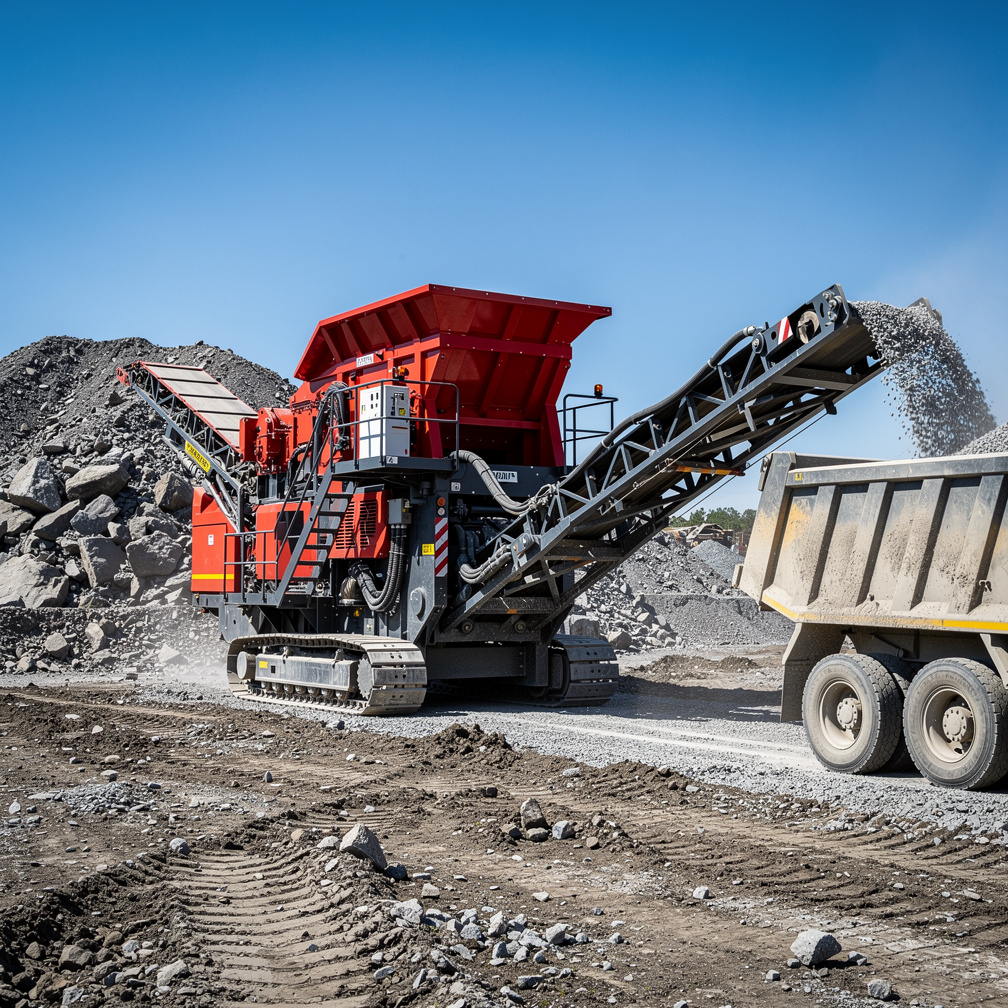
The setting adjusts the gap between the lower edges of the jaws, which determines the final product size and effective reduction ratio. A tighter setting gives a smaller, more consistent product but can reduce throughput and increase wear.
A wider setting increases capacity but risks sending more oversize to secondary crushers or screens. In single-toggle and double-toggle crushers, this is an important daily control point for operators.
Typical systems are shim stacks, where metal shims at the back of the frame are inserted or taken out to adjust the jaw location and hydraulic or mechanical wedges that slide the jaw using a cylinder. Hydraulics enable quicker and safer changes and simplify blockage clearing or output optimization for varying ores or aggregate specifications.
Following every adjustment, along with throughput, power draw, and wear, creates a valuable record that enables you to predict liner change-outs, identify unusual wear, and optimize the machine to the real feed whether you’re in a full mine site or a tiny test lab.
Choosing Your Crusher Model
Jaw crusher selection begins with the material, not the equipment brochure. Your model needs to align with feed size, hardness, target product size, reduction ratio, and what stage of crushing you are dealing with in the plant layout.
Key inputs are straightforward but non-negotiable: feed size, material hardness, required capacity, and intended application. For feed size, a popular rule of thumb is to keep the largest lump roughly 20% smaller than the jaw opening dimension. If the jaw opening is 600 mm, size the feed to about 480 mm. This buffer keeps output consistent and saves you from sprinting after blockages all shift.
Hardness and abrasiveness follow. Jaw crushers cope well with hard, abrasive materials, like reinforced concrete, granite, and natural rock, but the right model and setting will determine your actual operating cost per tonne.
Crushing stage influences selection. Primary, secondary, and tertiary crushers each have their own typical flow. Jaw crushers and gyratory crushers rule the roost in the primary stage, where the objective is to take massive, sometimes unwieldy run-of-mine rock and reduce it to a size the downstream machines can handle.
By that point, you have in mind required capacity in tonnes per hour and the reduction ratio from feed to product. Both higher ratios and tougher rock point you towards heavier frames and stronger toggle systems, which often means more energy and more wear metal per tonne as well.
Don’t guess — build a comparison chart of the models you are considering. Across the columns, include jaw opening (width times depth, mm), recommended maximum feed (20% under opening), rated capacity range, power demand (kW), expected reduction ratio, and typical use, e.g., portable recycling, small gravel plant, or large hard-rock primary.
Include rows for wear part package information, such as liner profile options, toggle plate material, and expected life at your rock’s abrading index. Close with two columns for projected operating cost per tonne and notes on preventive maintenance, e.g., frequency of replacing liners, toggle plates, and, in a wider plant context, mantles on companion crushers.
That straightforward sheet provides you a nice, side-by-side comparison of the trade-offs in cost, uptime, and fit to your production goals and material.
Single-Toggle
Single-toggle jaw crusher uses a single toggle with a single pivot point for the moving jaw, providing a more compact layout and a direct motion of the swing jaw that is appropriate for most general-purpose crushing.
This design fits nicely with medium hardness stones and moderate tonnages, such as small to mid-size gravel operations or recycling yards that deal with mixed but not crazy feeds. With fewer moving parts than a double-toggle unit, maintenance is simpler and usually cheaper, with fewer lubrication points and fewer wear interfaces to monitor.
For most portable crushing rigs, single-toggle units make a convenient initial selection. They keep weight lower, setup in the field simpler, and still provide plenty of reduction ratio to feed a secondary cone or impact crusher without fuss.
Double-Toggle
A double-toggle jaw crusher uses two toggles and a more complex motion path, which increases the effective crushing force at the bottom of the stroke and makes the machine better suited to very hard, high work index rock or highly abrasive ores that would stress lighter designs.
This higher force and stronger frame often equate to more weight, more lubrication points, and higher maintenance requirements. The payoff is greater durability and dependability when the machine operates as a primary crusher in a mining circuit for long hours, day after day, against challenging rock such as dense basalt or hard iron ore.
Wear part planning matters more here: monitoring liners and toggle plates on a set schedule, keeping spare parts on site, and budgeting for higher but more predictable operating costs over the machine life. Even though the maintenance load is higher than on a single-toggle unit, the total service life under continuous heavy-duty duty is usually longer and more stable.
Material and Application Suitability
Jaw crushers are best where you need tough, straightforward compression crushing on hard or medium-hard feed. They are well suited to granite, basalt, gabbro, high-silica gravel, most metallic ores, and dense construction waste, such as reinforced concrete. Softer and more friable materials, such as some limestones or coal, may be better crushed, or at least finished, by impact crushers which depend more on impact and attrition than pure compression.
In practice, selection is seldom about a single rock name. It’s about feed size and hardness, target product size and shape, required reduction ratio, and which crushing stage (primary, secondary, or tertiary) the jaw crusher will occupy. All those factors together determine the stress level on the machine, the wear pattern on parts, and the total operating cost.
In mining and large quarry work, jaw crushers typically occupy the primary position, receiving run-of-mine material up to 1,000 to 1,500 mm and reducing it for cone or impact crushers that manage secondary or tertiary stages and beyond with higher reduction ratios. In construction and recycling, they often operate as a single or two-stage configuration where they are fed directly to screens or used as base material.
Hard, abrasive rocks and ores tend to favor jaw crushers or cones because the crushing head geometry and motion provide a predictable compression path and a stable reduction ratio. Impact crushers, due to their rotor and chamber shapes, suit lower-abrasion stone and provide better control over fines and particle shape in high-reduction tasks.
As the shape index from a jaw can be hard to meet for rigid cubical specs, many plants put an impact crusher or VSI after the jaw to shape the product. This adds capital cost but potentially reduces downstream grinding energy or increases concrete performance.
Across mining, aggregates, recycling, and metallurgy, it helps to set up a simple table that maps each material group, for example, “high-silica granite, 250 mm feed, primary stage” or “demolition concrete with steel, 500 mm feed, mobile unit,” to a specific jaw model, jaw plate design, expected reduction ratio, and whether secondary shaping is needed.
This forces clear thinking about compression versus impact, frame strength, liner selection, and how wear-part life and energy use align with your budget.
Abrasive Rocks
For abrasive rocks such as granite, quartzite, high-silica gravel, and many iron ores, jaw crushers need manganese steel jaw plates and side liners, often with higher manganese content, for example, 18 to 22 percent manganese with suitable carbon levels. This allows the surface to work-harden under impact and sliding, which slows wear and keeps the nip angle and tooth profile close to design for more hours.
Heavy-duty single-toggle or double-toggle designs are preferred in this setting because the stronger pitman, thicker toggle plates, and stiffer bearing housings handle the high compressive load and repeated shock cycles. A robust main frame, cast or welded steel with generous cross-sections, resists fatigue cracking over long service.
Most operators run regimented inspection loops with daily checks of jaw plate seating and jaw plate bolt torque, weekly measurement of tooth height or wear step, and replacement scheduled before the plates wear flat. Running beyond that point damages reduction ratio, increases power draw, and increases the chance of uncrushables damaging the crusher.
Since abrasive duty forces load and heat into the bearings and toggle system, plants often supplement with condition monitoring, such as vibration and temperature sensors. This allows maintenance crews to schedule liner and component replacements instead of reacting to failures.
Recycling Operations
In recycling, jaw crushers take care of broken concrete, brick, asphalt, and mixed demolition debris that may have steel bars, mesh, and wood pieces. The machine depends on compression to break out the concrete matrix while steel passes through the chamber if the discharge is sufficiently wide and the plant has suitable metal extraction such as magnets.
Adjustable closed-side settings and, on occasion, hydraulic jaw adjustment come into play here as feed size and material varies from load to load. The operator can open the setting for bulk, dirty debris or close it down for more controlled aggregate sizing for reuse in road base or new concrete.
While such mobile plants may sacrifice some capacity relative to fixed installations, many recycling operations prefer portable or track-mounted jaws. This allows material to be reduced at the demolition site, reducing haulage volume, fuel consumption per tonne, and transforming waste into marketable aggregate in a single pass.
When the output requires a more cubical shape, the jaw frequently feeds an impact crusher so the final recycled aggregate satisfies more stringent construction specifications on flakiness and shape index.
Mining Ores
In mining, jaw crushers typically serve as the initial mechanical size-reduction stage for run-of-mine ore flows. Oversized, jagged boulders from the pit or underground headings fall into the feed opening and receive a single compression stroke that defines the top size for the balance of the plant.
Because the crushers must process large tonnage and coarse feed of varying hardness, mines choose models with wide feed openings, high power, deep crushing chambers, and robust frames rated for continuous duty instead of intermittent duty.
The reduction ratio at this stage is usually modest, often around 3 to 6, and the stability of that ratio, along with consistent product size, helps downstream equipment such as SAG mills, cone crushers, and screens run near design capacity without choking or surging.
Incorporating the jaw into a complete flowsheet implies matching its discharge belt speed and surge capacity to the follower unit. This ensures the ore proceeds from primary crushing, through secondary and perhaps tertiary stages, to grinding and concentration with minimal recirculation and low idle power.
Since the right primary crusher has a huge lifecycle cost impact, mining teams consider not just capacity and reduction but liner wear rate, jaw profile options, energy consumed per tonne, and how easy it is to perform liner swaps in remote sites, where labor and downtime are costly.
Optimizing Crusher Performance
Optimizing a jaw crusher is about controlling the entire circuit, not a single parameter. Feed rate, discharge setting, and speed all have to work together or the plant pays with less tons per hour, more wear, and an unstable product size.
Feed Control
Feed control begins with size and rate. The crusher should receive material that just fits the feed opening and is spread across the full width of the jaw, not a thin “rope” of rock in the center. Whenever operators let oversize boulders come in or cycle run the hopper empty and full, the machine chokes, stalls, or runs with poor reduction.
Feeder and a screen in front of the jaw help a lot. A grizzly or scalping screen can remove fines and clay that don’t need crushing and can bypass very large rocks that should be broken with a breaker first. This eliminates bridging events in the feed zone that can easily lose as much as 70 stph and eradicate $4,000 to $8,000 of daily revenue if they recur.
Regular feed increases capacity and maintains product size closer to spec. A lot of sites get over 10 to 15 percent throughput just by maintaining a consistent feed rate and extracting the fines that clog the chamber. Jaw die profile counts here – the right profile can reclaim over 20 percent of production that would be lost because the nip angle and grip on the rock remain effective as the chamber fills evenly.
Material properties to be monitored on the fly. Even slight changes in crushability, abrasiveness, or moisture can shift power draw, vibration, and product size within minutes. Operators must monitor infeed visually and by sensors and adjust feed rate before problems grow.
Discharge Setting
The discharge gap, or closed-side setting (CSS), which directly controls the final particle size and reduction ratio, must therefore be matched to both downstream equipment and product specs. If the CSS drifts open due to wear, the crusher produces coarser material that can overload screens and secondary crushers or push product out of spec.
If operators tighten the CSS too much in search of finer product, they often see the opposite problem: a sharp rise in wear, more recirculating load, and lower throughput. Too-tight crushing squeezes the jaw dies and liners to endure high contact stress, which can produce a 10 to 20 percent production decrease and increase the risk of abrupt failure.
Frequent inspections of CSS, jaw die wear, and liner condition, as well as monitoring CSS in the same log as tph and product size reports, assist in identifying the sweet spot where quality, capacity, and wear cost converge. This is where teams can schedule the jaw turn or switch at an ideal point, versus scrambling after a significant output loss.
Speed Regulation
Jaw speed determines the entire work cycle of the crusher. That higher speed can increase throughput and reduction, which is enticing. Without the right feed size, CSS, and chamber design to match, that additional speed just increases power draw and wear.
In practice, many plants run a bit slower than the mechanical limit to achieve steadier operation and reduced cost per ton. VSDs provide added control in this area. With a VSD, an operator can slow the crusher when it’s processing very hard or abrasive rock, then speed it up when the feed softens or less product is needed for a short production run.
Such fine tuning is most beneficial when feed characteristics change throughout the day, as is typical with blended deposits. Speed changes, however, should always be accompanied by close monitoring. Too much vibration, new noise, or current draw spikes generally mean the speed setting is no longer appropriate for the feed at hand or that your wear parts—jaw dies, impact bars or liners—require servicing.
Regular inspection of these components, along with routine belt and bearing inspections, helps keep downtime to a minimum and allows for a holistic approach where RPM, feed, maintenance, and design all complement each other.
Essential Maintenance Protocols
Jaw crusher maintenance protocols maintain output, safeguard the frame and bearings, and prevent unplanned shutdowns. A straightforward day, week, month schedule, supported by logs and checklists, provides users with an obvious means of detecting trouble early and scheduling maintenance in advance of breakdown.
Daily Inspections
Daily pre‑shift inspections are crucial year‑round, even in mild climates or low-production sites, since most failures present early symptoms that are easily overlooked from the control room. Operators should begin by inspecting jaw plates, cheek plates, liners, and toggle plates for cracks, broken bolts, or uneven wear.
Jaw plates in particular require a visual inspection every day and measurement every week or two, with shorter intervals for very abrasive feed such as quartz or basalt. When one jaw plate wears down faster than the other, it’s time to switch places. This helps equalize wear, maintain the nip angle within design limits, and minimizes the risk of frame damage from uneven loading.
That same walk-around should encompass a swift check of lubricant levels on bearings and any central lubrication manifolds, as well as a scan for oil or grease leaks at seals and moving joints. Squealing at startup or under load can indicate slipping belts or dry bearings, both of which need prompt remediation because belt slip can overheat the drive and dry bearings can break suddenly and take the shaft with them.
They have to test that all safety guards are in place, that interlocks work, and that emergency stops actually cut power. Before feeding material, they need to purge any rock build-up or bridging in the hopper and crushing chamber because compacted fines around the jaw can choke the chamber, reduce throughput and overload the drive.
Lubrication Schedule
A rigid lube regimen grounds extended dependability. Bearings, eccentric shafts and pivot points require grease or oil at manufacturer-specified intervals, adjusted for dust level and run hours. Full lubrication-system service is critical if you’re aiming for decades of crusher life, not quick rebuilds.
Heavy-duty, dusty conditions require high-film-strength oils and matching greases, not run-of-the-mill products that degrade with heat or contamination. Oil levels should remain in the marked zone because both over-fill and low level generate overheating. Used oils are to be sampled and inspected for metal or water contamination.
They should be changed out at hour increments or sooner if temperature trends increase. Each lubrication event—what location was serviced, with which product, at what hour meter reading—should be recorded. This aids compliance, teaches new staff the rhythm and powers predictive maintenance systems that can recommend scheduled treatments prior to a component breaking down.
Wear Part Management
Wear part management begins with measurement, not guesswork. Logging jaw plate, cheek plate, and liner thickness at fixed intervals, teams should leverage that data to schedule changeouts during planned stoppages instead of waiting for holes, broken segments, or a sharp drop in throughput.
In high-abrasion work like crushing hard river gravel, manganese steel or other wear-resistant alloys provide longer life but still require monitoring. Once plates reach their minimum thickness, they can crack and damage the crusher frame.
Most plants maintain a small stock of critical wear components, a minimum of a complete jaw plate set, critical cheek plates, and critical fasteners, to prevent extended downtime while parts are on order. Over time, logged wear rates and patterns allow engineers to tune feed size, closed-side setting, and material choice so the crusher operates with smoother, more predictable wear instead of sudden failures.
Safety First
Safety practice has to be as regular as lubrication. Before anyone removes a blockage, changes a plate, or checks a bearing, lockout/tagout isolates all potential energy sources so the crusher can’t start up unexpectedly, including from remote controls.
Operators and maintenance personnel should have standard PPE—helmets, hearing and eye protection, gloves, and steel-toe boots—and training that concentrates on real activities such as safe chamber entry or working around conveyors. Obvious warning signs and conveniently located e-stop buttons by feeders, walkways, and at control stations reduce the turnaround when stuff hits the fan.
For long-term storage units, protective storage, and startup every 30 to 60 days to circulate fluids, and maintenance basics maintain the machine safe and prepared for a fresh start, clean slate. Those, plus accident reports and operational modifications, should feed back into revised safety and maintenance protocols so the system continues evolving.
The Economic Impact
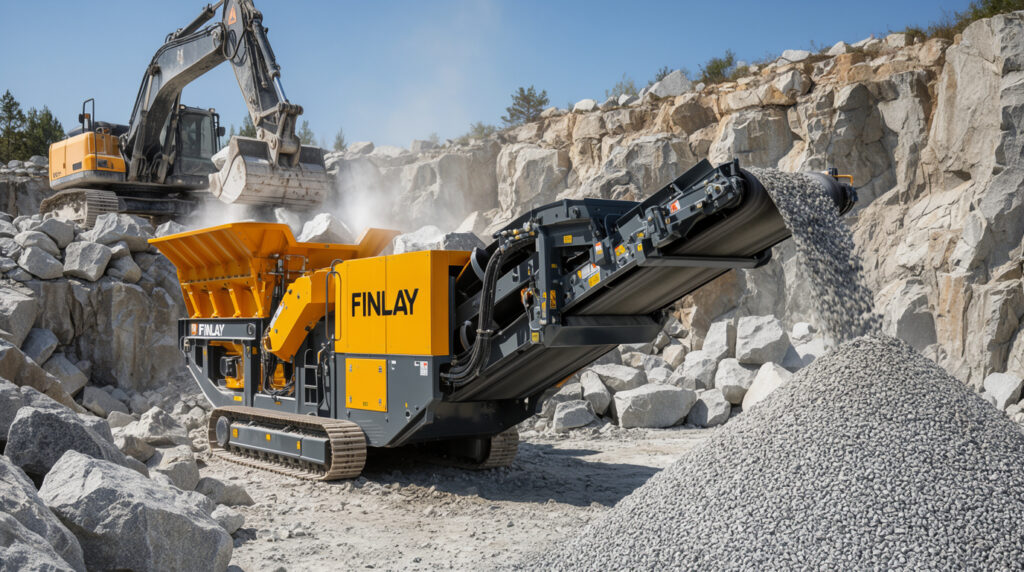
Jaw crushers sculpt the cost profile of a crushing line, as they stand at the head of the sequence and dictate both power consumption and throughput to subsequent stages. When that machine runs well, it lowers cost per ton, increases throughput, and holds margins steady even as input prices fluctuate.
Energy Use
Energy is usually the biggest variable cost after labor, so kilowatt-hours per ton is fundamental. Once you log energy use by shift, material type and setting, you begin to see which operating modes waste power. For example, running with a half-empty feed or with a tighter closed-side setting than product specs really require.
Choice of motor and drive is more important than many crews think. High-efficiency motors with variable frequency drives allow you to match power draw to actual load rather than fighting flat out all day. Saving 8 gallons per hour in fuel over 1,500 hours a year at an average cost of 4.50 USD a gallon can free up around 54,000 USD. This amount is frequently enough to pay for a big chunk of a lease or finance plan.
Feed and discharge control round out the loop. A steady choke feed, the right hopper design, and tuned discharge conveyors prevent empty strokes and power spikes, so the crusher does actual work every revolution instead of stalling under load.
Compared with certain impact or cone units, jaw crushers usually exhibit a steadier power signature on hard, dry feed. Impact crushers can spike on challenging or gritty material. That gap gets even wider once you account for magnets and rebar removal to recycle concrete since recovered rebar sold as scrap at approximately 100 to 300 USD per ton offsets part of the power bill.
Operational Costs
Total cost of ownership starts with purchase price but is driven long term by liners, bearings, and unplanned stops. Using one machine where possible cuts maintenance, fuel, and transport costs, yet it raises risk. If one machine is down, your entire crew is down, so you balance simplicity against resilience.
You need budgets that include labor, scheduled service, wear-part change-outs and replacement intervals. A jaw and screen single-stage often fits sites under around 10,000 tons per year, as the additional capital expenditure and service load of an impactor typically do not pay back at that volume, even if you can sell a nicer finished product premium.
Extending component life via clean feed, proper jaw profiles and consistent loading directly reduces consumable expenses. Benchmarking your cost per ton against peer operations lets you know if you sit in a competitive band or if your plant layout and work practices are silently bleeding money.
Lower moving costs count, too. Halving equipment transport costs, for example, by standardizing on a single mobile jaw unit rather than a slew of spread-out machines, jumps straight to the bottom line on remote or short-term sites.
Throughput Value
Throughput is the connection between cost and revenue, so you measure tons per hour, tons per day, and tons per season as well. If improved settings or a larger feed opening add 150 more tons per day on a 150-day year, that is about 22,500 extra tons, which represents a huge income swing at typical aggregate prices.
They only add up when connected to downstream constraints. Your jaw has to feed screens, secondary crushers and stockpiles at rates they can manage, or you shift the bottleneck rather than eliminate it. For recycling, clean discharge from the jaw and metal separation can maintain RCA within spec, while the rebar stream generates its own income as scrap.
For small sites, below roughly 10,000 tons a year, single‑stage jaw and screen typically strikes the economic sweet spot. At the other end, with operations of 30,000 tons a year and consistent premium aggregate demand, a more complex flow with jaw feeding cones or impactors often makes sense because the increased value and volume supports the additional plant.
Throughput trends over months and years identify when a jaw is undersized, worn out, or just run with bad settings. That’s the information that transforms a simple model versus model decision into an actual cost-benefit perspective spanning energy, parts, downtime, and per ton revenue.
Conclusion
Jaw crusher machines seem simple, yet they power the core of numerous robust plants. Smart matching of feed size, material and crusher type can reduce waste and increase uptime. Intelligent setup and tuning can increase production with the same power draw. Regular inspections of jaws, bearings and liners maintain the unit secure and stable.
A jaw crusher molds the price edge of your labor. Improved reduction, fewer stalls and clean maintenance schedules frequently translate into obvious savings.
As your next step, walk through your own site data. Verify feed size, target product, and run hours. Then compare that with the tips in this guide and select one or two tweaks to try on your next work shift.
Frequently Asked Questions
What is a jaw crusher machine and how does it work?
A jaw crusher employs compressive force for breaking rock or ore. One jaw is stationary and the other moves in a reciprocating motion. Material is fed in from the top and crushed as the moving jaw compresses it against the stationary jaw, generating smaller, uniform pieces.
How do I choose the right jaw crusher model for my operation?
Align crusher dimension and power to your necessary throughput and feed size. Take into account material hardness, output size, mobility, and space constraints. Compare technical data sheets and speak with a qualified engineer, sales team or manufacturer.
Which materials can be processed by jaw crushers?
Jaw crushers process many materials such as granite, basalt, limestone, construction waste, ores and concrete. They work best on hard to medium-hard, abrasive materials. For very soft or sticky materials, other crusher types are more efficient.
How can I improve the performance and output of my jaw crusher?
Remember to feed the crusher evenly, without overloading and with feed size within the recommended size. Regulate the closed side setting for desired product sizes. Swap out worn jaw plates promptly and maintain the crusher well lubricated and in alignment.
What are the most important maintenance tasks for jaw crushers?
Check jaw plates, cheek plates, bearings and belts. Keep proper lubrication, inspect bolt tightness and clean any material buildup. Stick to the manufacturer’s service schedule and maintain detailed maintenance records to avoid unexpected downtime.
How do jaw crushers affect overall operating costs?
Efficient jaw crushers minimize energy consumption, wear part replacement, and even unplanned downtime. Right-sizing and quality maintenance reduce cost per tonne processed. Over time, a good jaw crusher can really boost crushing ROI.
When should I replace jaw plates and other wear parts?
Change jaw plates as soon as you observe deep grooves, low crushing efficiency or uneven wear. Watch power draw and product size. Abrupt changes can often indicate wear problems. Regular replacement safeguards the crusher’s key elements and ensures uniform production.